
Understanding tropical cyclones
Tropical cyclones are violent, spiralling wind and rain systems that threaten lives and property at sea and on land. They can cause disruption, damage and destruction far beyond the coast, including extensive flooding.
Australia's most cyclone-prone area is the north-west coast between Broome and Exmouth. Tropical cyclones cross this coast more often than anywhere else around the continent. Other areas such as north Queensland and the Top End also get a high number of tropical cyclones. Since 1980, there has been an average of 10 tropical cyclones in the Australian region each season.
We're part of an international network that forecasts and warns about tropical cyclones.
Australia's tropical cyclone season
Australia's tropical cyclone season runs from 1 November to 30 April. They can happen at other times in our region but this is rare.
Warning Australians about tropical cyclones
To help keep coastal communities safe, we:
- keep a 24-hour watch on developing cyclones in our region
- provide a tropical cyclone forecast for the 7 days ahead
- issue watches and warnings when a cyclone is expected to affect Australia's coast or territories. For the latest Tropical Cyclone Advice, view Warnings and alerts.
To assist planning and preparation, we also provide long-range guidance for Australia's tropical cyclone season and the South Pacific tropical cyclone season.
In this section, explore:
- how tropical cyclones form and how they differ from tropical lows, tornadoes and typhoons
- the 5 tropical cyclone categories and their effects
- how tropical cyclones are named
- how we predict tropical cyclones and forecast their paths
- our tropical cyclone warning services – learn about watches and warnings, and how to read a cyclone track map.
For information to help you prepare, respond and recover, visit the National Emergency Management Agency.
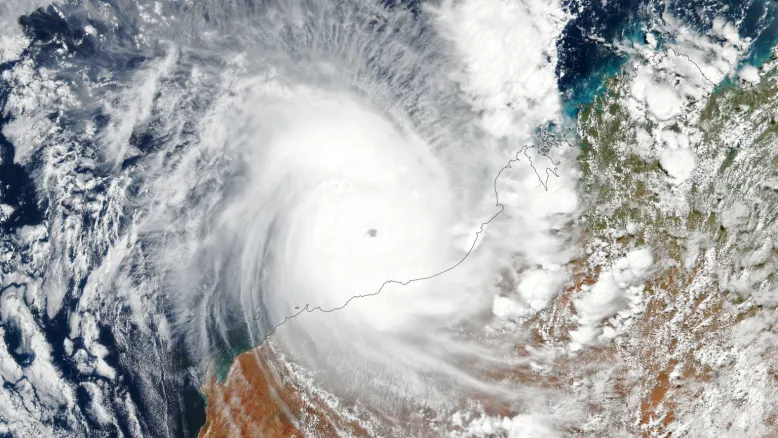
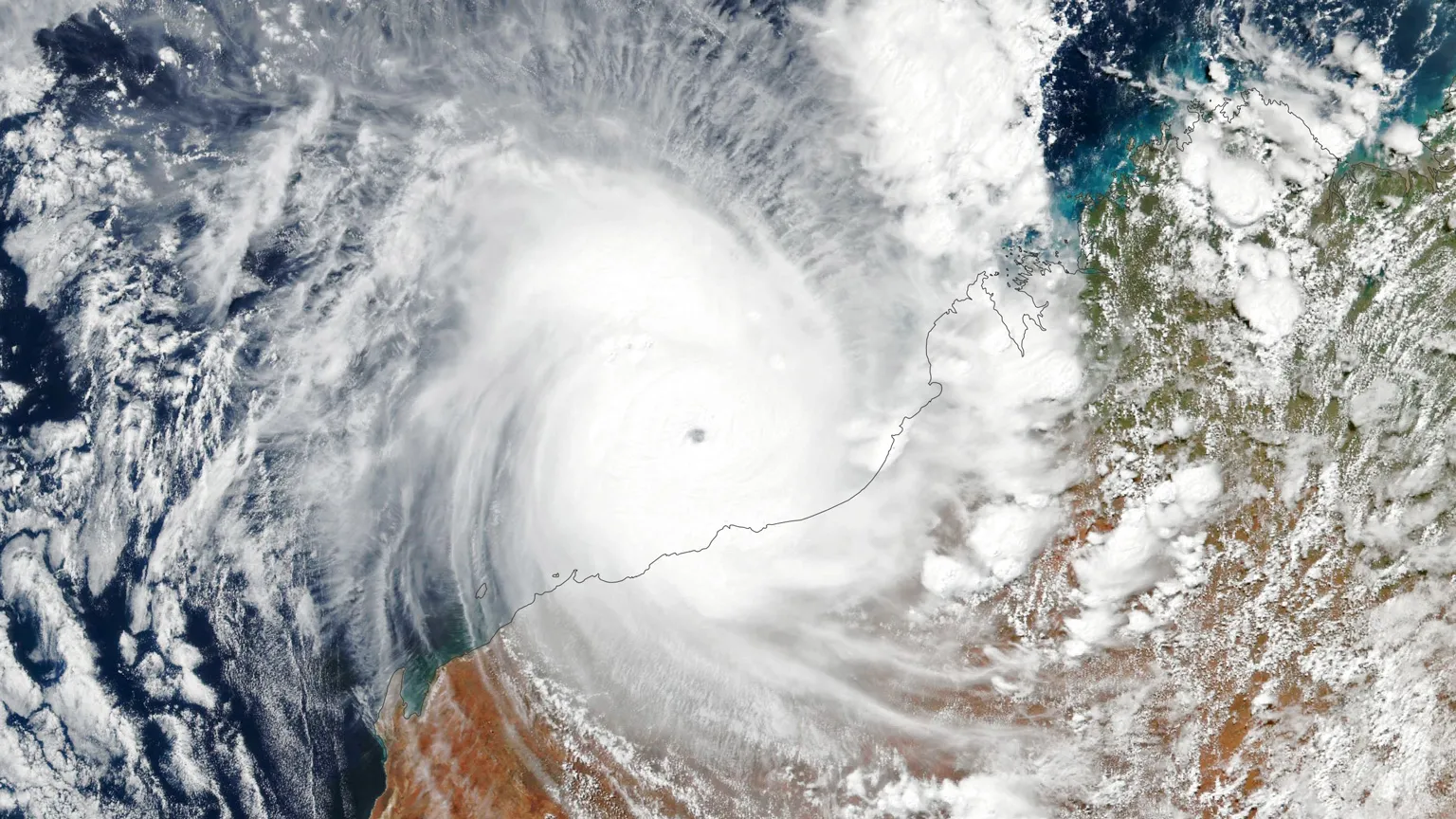
Category 5 Tropical Cyclone Ilsa approaches the north-west Australian coast at 1:45 pm on 13 April 2023. Credit: NASA's Earth Observatory.
Prepare for severe weather
Severe weather can develop quickly and threaten lives and property. You can reduce its impact by getting ready before it happens.
Find out how to set up BOM Weather app warning notifications.